Life Stages & Transitions Series: Part 4
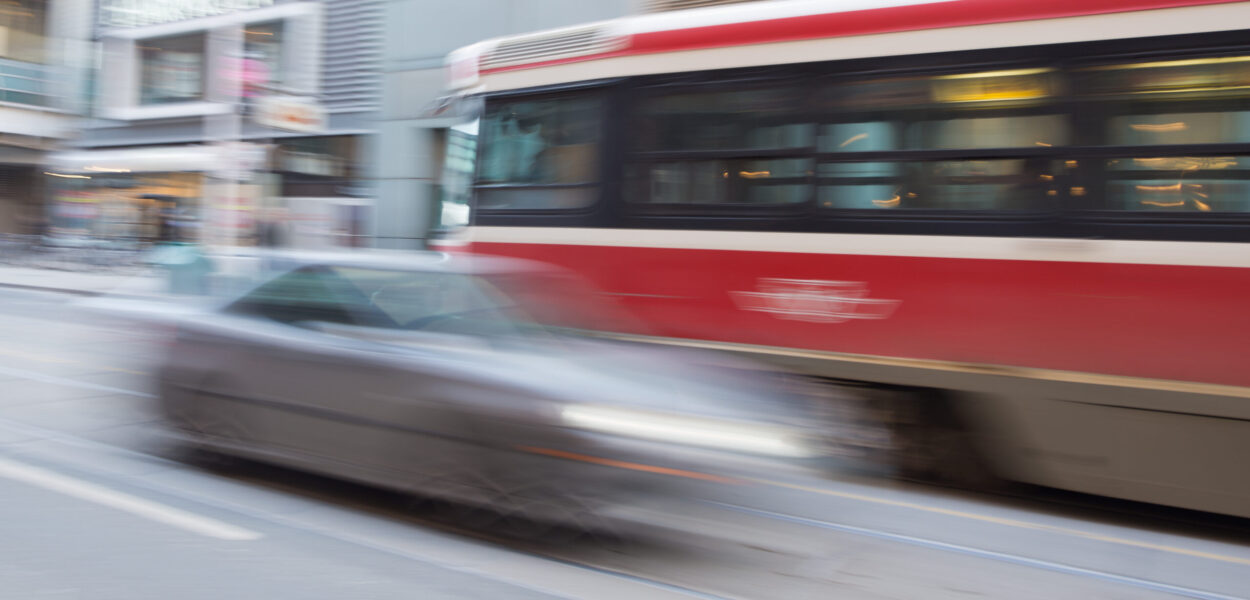
Transportation is one of the most significant household expenses, especially in a high-cost state like Massachusetts. Between rising gas prices, insurance premiums, parking fees, and maintenance costs, owning a car has become increasingly expensive. At the same time, public transit systems—like the MBTA and regional transit authorities—continue to evolve, offering more options depending on where you live and work.
Comparing the true annual cost of car ownership to public transportation expenses can help households better understand which option is more cost-effective in today’s inflationary environment.
The True Cost of Owning a Car
Owning a car provides convenience and flexibility, but it also comes with ongoing expenses—many of which have increased due to inflation.
Key cost considerations include:
- Auto insurance. Rates across Massachusetts have risen in recent years.
- Gas and fuel. Prices fluctuate but remain higher than pre-pandemic averages.
- Maintenance and repairs. Parts and labor costs continue to climb.
- Registration, excise tax, and inspection fees. Many insurers offer discounts based on your driving habits or mileage.
- Parking. Urban areas, in particular, can be costly for weekdays or overnight parking.
When combined, these costs often exceed initial expectations, particularly when inflation drives up insurance, fuel, and repair expenses simultaneously.
Public Transit: A Cost-Saving Alternative
For those living near transit routes, buses, commuter rail, and subway services can provide a more affordable option. Public transit eliminates many of the costly aspects of vehicle ownership and can significantly reduce monthly spending.
Benefits include:
- Lower overall transportation cost. No car payment, fuel, or maintenance.
- Predictable monthly budgeting. Fixed fares, discounted monthly passes, and employer-sponsored transit benefits can make costs easier to manage.
- Reduced stress. Avoid traffic, parking, and winter weather challenges.
- Environmental impact. Public transit is often a greener option, contributing to cleaner air and less congestion.
Cost savings from public transit are most significant for commuters with consistent routes and access to reliable service.
Finding the Right Fit for Your Lifestyle
The decision between owning a car and relying on public transit depends on several factors:
- Your location: Urban and suburban members may have better access to transit than rural communities.
- Your commute: How far you travel and the reliability of service can influence your choice.
- Your schedule: Flexible or unpredictable work hours may make transit less convenient.
- Your household budget: Comparing the full annual cost of a car to monthly transit passes can help you determine which option is more affordable.
Some members find that a hybrid approach works best—using a personal vehicle for essential tasks and relying on transit for commuting or occasional trips.
We’re Here to Help You Navigate Rising Costs
Whether you’re deciding between maintaining a vehicle or exploring public transit options, understanding your total costs can lead to smarter financial choices—especially during times of inflation.
If you’d like to review your budget or explore ways to reduce everyday expenses, our team is ready to help.
Visit our Get in Touch page to connect with us anytime.